35 Ultimate Things to Do in Mallorca (Majorca) Spain: The First-Timer’s Guide
Mallorca is so much more than its all-inclusive resorts and party reputation. This sun-drenched Mediterranean island offers everything from dramatic mountain landscapes and hidden coves to cultural treasures and mouthwatering cuisine.
After spending a month exploring every corner of this Balearic gem, I’ve put together this comprehensive guide to help you discover the real Mallorca . Whether you’re planning a quick weekend getaway or an extended stay, you’ll find firsthand tips, practical advice, and insider recommendations to make your trip unforgettable.
Table of Contents
Things to Do in Mallorca : Essential Mallorca Travel Planning & First-Timer Logistics
Know Before You Go: Quick Facts and Cultural Tips
Let’s start with the basics! First, you might notice I use “Mallorca” throughout this guide. That’s the Catalan/Spanish spelling, while “Majorca” is the English version – both are correct, but locals use Mallorca.
Language: While Spanish is widely spoken, many locals also speak Catalan (or Mallorquí, the local dialect). Don’t worry though – in most tourist areas, you’ll find English is common.
Money matters: The Euro (€) is the currency, and tipping around 5–10% in restaurants is appreciated but not mandatory.
Dining habits: Mallorcans eat late! Dinner typically starts around 8pm, and many restaurants don’t even open until 7pm. Also, be aware that many places close on Sundays, so make reservations in advance for weekend dining.
The siesta is real: Don’t be surprised if shops and some restaurants close between 2pm and 6pm, especially in smaller towns. Plan your day accordingly!
Accommodation tip: While Airbnbs might seem tempting, I’d recommend hotels or licensed vacation rentals. There’s been a push against unlicensed rentals to protect the local housing market, and you’ll want to avoid any potential scams.
How to Plan Your Mallorca Itinerary
For first-timers, I suggest at least 7-10 days to really experience Mallorca without rushing. This gives you enough time to explore Palma, venture into the mountains, and relax on some beaches.
A sample itinerary might look like:
- Days 1-3: Explore Palma and its rich history
- Days 4-5: Road trip through the Serra de Tramuntana mountains
- Days 6-7: Beach hopping and coastal activities
Of course, if you have more time, you can dive deeper into each area or add some off-the-beaten-path destinations.
Getting Around Mallorca: Is a Rental Car Necessary?
I’ll be honest – if you want to truly experience Mallorca beyond Palma, a rental car is essential. While public transportation exists, it’s limited and doesn’t reach many of the island’s most beautiful spots.
Driving tips: Prepare yourself for narrow roads, especially in the mountains and old town centers. Parking in Palma can be a nightmare – street parking is nearly impossible, and garages can be expensive (but worth it for peace of mind). If you’re not comfortable with manual transmission, be sure to specifically request an automatic vehicle when booking, as they’re less common in Europe.
Explore Palma (The Capital): Culture, History, and Cuisine
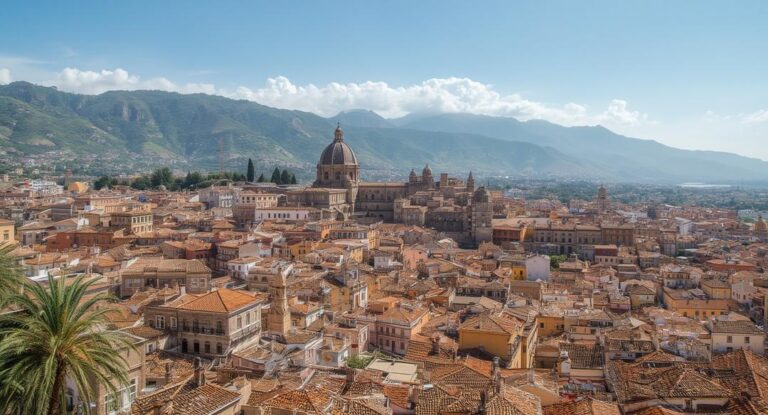
Palma mallorca is a vibrant city that deserves at least three full days of your time. It perfectly blends history, culture, and modern amenities.
Palma’s Old Town Must-Sees
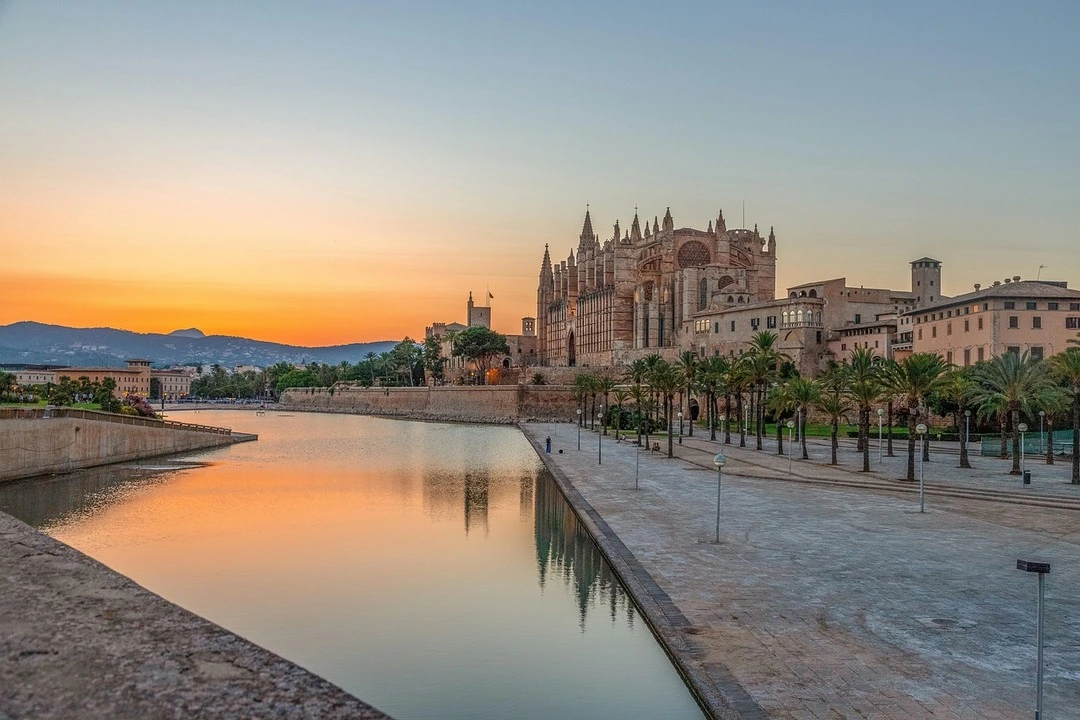
Cathedral of Santa Maria of Palma (La Seu): This massive Gothic masterpiece took over 400 years to build and will leave you speechless. The €8 entrance fee is absolutely worth it to see the incredible interior, especially Gaudí’s additions and the enormous rose window. Pro tip: visit in the morning when the sunlight streams through the stained glass, creating a magical light show inside.
Royal Palace of La Almudaina: Right next to the cathedral, this palace still serves as the Spanish Royal Family’s summer residence. The royal apartments are particularly impressive, showcasing centuries of Spanish history.
Passeig del Born: Stroll down this tree-lined avenue, Palma’s elegant main thoroughfare. It’s perfect for people-watching, shopping, or enjoying a coffee at one of the many cafes.
Parc de la Mar: After visiting the cathedral, head to this waterfront park for the iconic view of La Seu reflecting in the artificial lake – it’s the perfect Instagram spot!
Mercat de l’Olivar: This bustling indoor food market is where locals shop for fresh produce, seafood, and meats. Saturday mornings are especially lively. Grab some jamón ibérico, local cheese, and fruit for a picnic lunch.
Unique Experiences in Palma
La Cuadra Del Mano: This was hands-down my favorite dining experience in Palma. Their coal-fired grill produces the most incredible meat dishes at surprisingly reasonable prices. Reservations are essential – I tried to walk in twice before finally planning ahead!
Bar España: For authentic tapas in a cozy, local atmosphere, you can’t beat this tiny spot. The patatas bravas are crispy perfection, and the burrata toast was so good I ordered a second one.
History Deep Dive: The Arab Baths (Banys Arabs) offer a fascinating glimpse into Mallorca’s Moorish past, while the circular Castell de Bellver provides both history and panoramic views of the city.
Art & Pastries: Visit Es Baluard Museu to see works by Dalí, Picasso, and Miró, then reward yourself with churros from Xurreria Rosaleda – the perfect cultural-culinary combination!
Santa Catalina Neighborhood
Just west of the Old Town, Santa Catalina has transformed into Palma’s hippest district. It’s especially popular with younger travelers and expats. The Mercat de Santa Catalina is smaller than l’Olivar but equally atmospheric, and the surrounding streets are packed with trendy bars, international restaurants, and cool cafés. It’s the perfect area for dinner and drinks if you’re looking for a livelier vibe.
Serra de Tramuntana Road Trip: Villages & Scenic Views
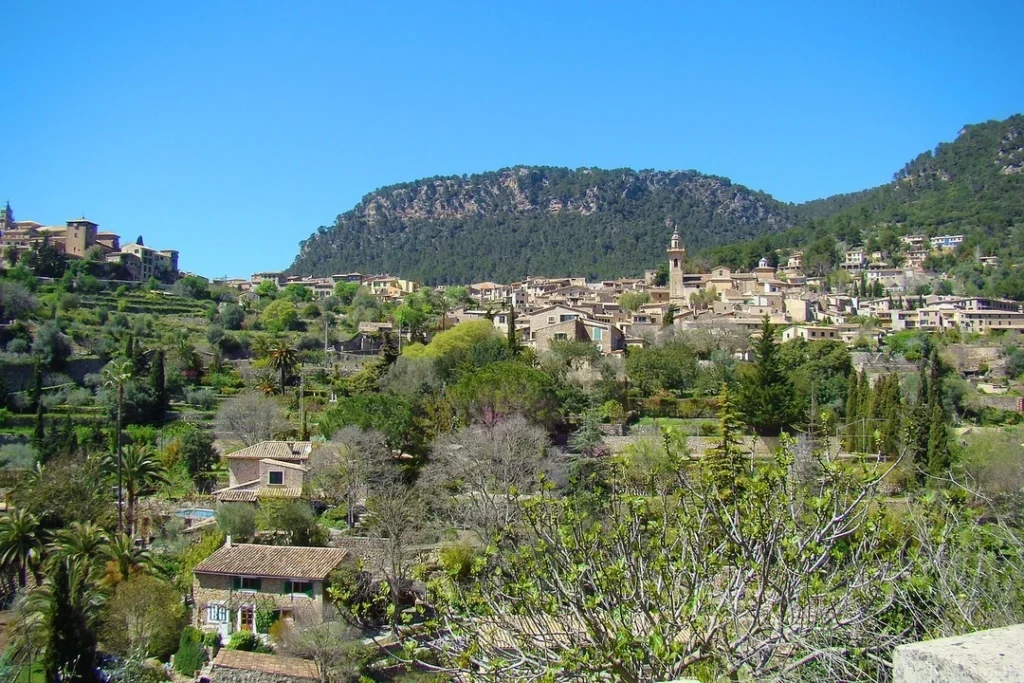
The Serra de Tramuntana mountain range is a UNESCO World Heritage Site and home to some of Mallorca’s most charming villages. A road trip through these mountains was, without question, the highlight of my visit.
Valldemossa (History and Local Treats)
This picturesque village is famous for hosting Frédéric Chopin and George Sand during the winter of 1838-1839. The Carthusian Monastery (Real Cartuja de Valldemossa) where they stayed is the main attraction, but don’t miss the separate Chopin and Sand Museum, which houses the authentic Pleyel piano Chopin used during his stay.
After exploring, treat yourself to a coca de patata (a sweet, airy potato bun) and almond gató (traditional almond cake) from either Ca’n Molinas or Forn i Pastisseria. I tried both bakeries and couldn’t decide which was better – you might need to conduct your own taste test!
For something truly special, book a sustainable olive oil tour at Son Moragues estate. The setting among ancient olive trees with mountain views is unforgettable, and you’ll gain a new appreciation for high-quality olive oil.
Deià (Artists, Luxury, and Views)
This tiny village has attracted artists and writers for decades. Visit the Robert Graves Museum to see where the famous poet lived and worked for much of his life.
For an indulgent experience, make reservations for drinks at Café Miró within the luxurious Belmond La Residencia hotel. The sunset views are absolutely spectacular, though the prices match the setting.
If you’re feeling active, take the steep path down to Sa Foradada, a cliff-side restaurant famous for its paella cooked over wood fires. It’s only open for lunch, and often closes in winter, so check in advance.
Sóller and Port de Sóller
Sóller’s charming main square, Plaça Constitució, is the heart of this lovely town. The vintage wooden tram that connects Sóller to Port de Sóller actually passes right through the square, creating a unique photo opportunity.
For a truly memorable experience, take the historic Tren de Sóller from Palma to Sóller. Operating since 1912, this wooden train clatters through tunnels and orange groves, offering breathtaking views along the way.
From Sóller, hop on the connecting tram to reach Port de Sóller, a beautiful horseshoe bay with a sandy beach and waterfront restaurants. Art lovers should visit Ca’n Prunera Museum, which houses works by artists connected to Mallorca, including Miró and Klee.
The Daredevil Drive to Sa Calobra
If you enjoy dramatic drives, the road to Sa Calobra (MA-2141) will be unforgettable. With 26 hairpin turns, including the famous “knotted tie” bend that loops 360 degrees, this road isn’t for nervous drivers. But the reward is worth it – at the bottom, you’ll find Cala Sa Calobra beach and the spectacular Torrent de Pareis gorge, where towering cliffs meet the sea.
Best Beaches, Caves, and Water Activities
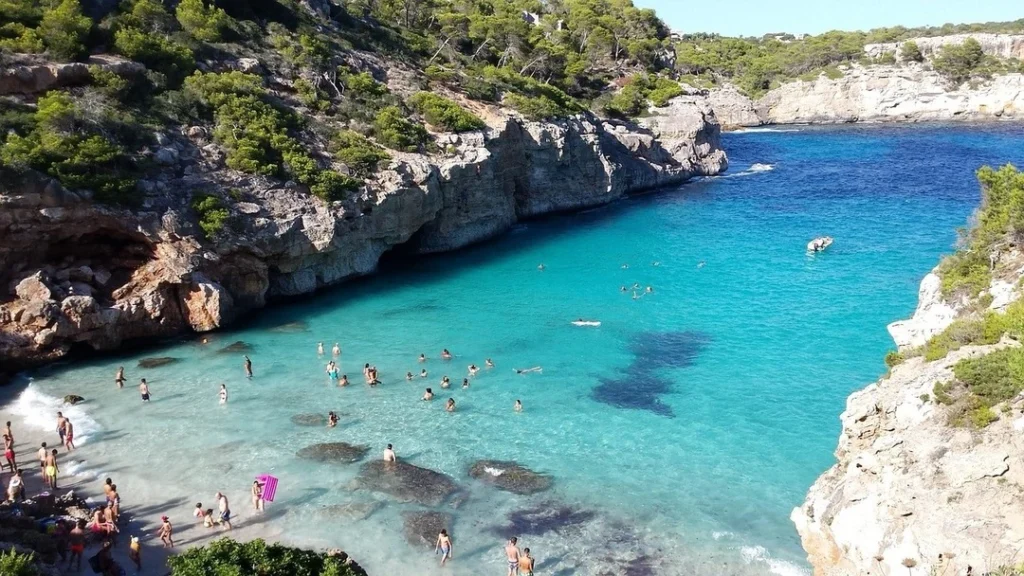
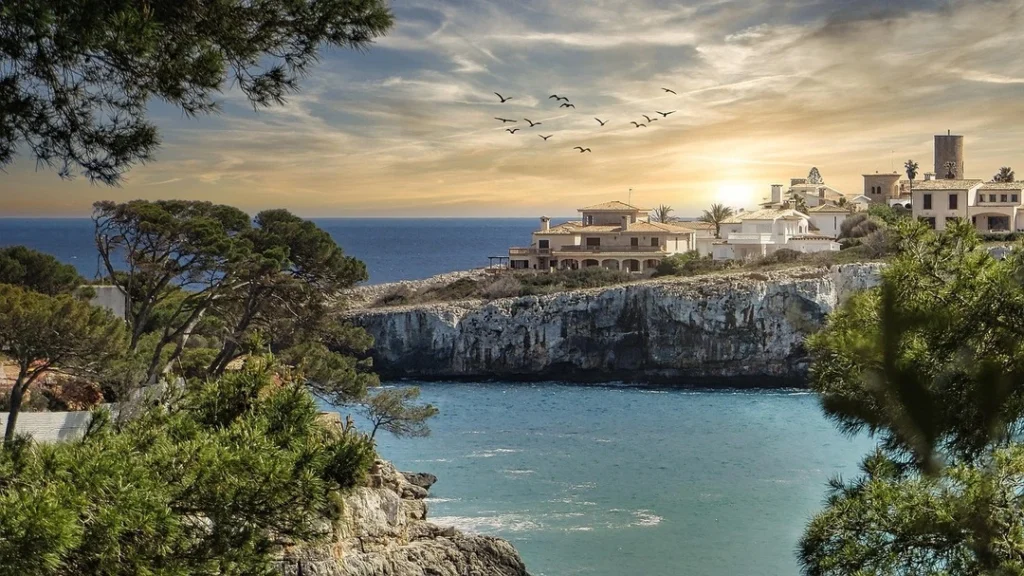
No trip to Mallorca is complete without experiencing its stunning coastline. The island offers everything from hidden coves to developed beach resorts.
Hiking to Mallorca’s Most Stunning Coves
Caló des Moro: Often cited as Mallorca’s most beautiful beach, this tiny cove with crystal-clear turquoise water lives up to the hype. But be warned – it’s small, has no facilities, and requires a challenging hike down. Arrive early (before 10am) to find parking and claim your spot.
Cala Llombards: This beautiful white sand beach is less crowded than some others and features traditional fishermen’s boat garages carved into the cliffs. It’s also popular for cliff jumping, if you’re feeling adventurous.
Cala Mondragó: Located within a natural park, this beach offers soft white sand and clear water, plus hiking trails through the surrounding protected area. It has more facilities than many coves, making it suitable for a full day visit.
Exploring Natural Wonders
Cuevas del Drach (Drach Caves): These spectacular caves near Porto Cristo feature an underground lake where classical musicians perform daily concerts from boats. It’s touristy but magical – just be sure to book tickets in advance during peak season.
Es Pontàs: Near Cala Santanyí, this massive natural stone arch jutting from the sea is one of Mallorca’s most impressive natural formations. You can’t walk on it, but the view from the cliffs is worth the detour.
Cap de Formentor: Drive (or take a shuttle bus in summer) to the northernmost point of Mallorca for breathtaking views from the lighthouse. Time your visit for sunset if possible – it’s simply magical.
Water Adventures
Catamaran Sail: One of my favorite days was spent on a catamaran cruise along the coast. Many options include stops for swimming and snorkeling in secluded coves.
Coasteering: For adventure seekers, coasteering combines swimming, climbing, and cliff jumping along the rocky coastline. It’s an exhilarating way to experience Mallorca’s geology up close.
Jet Skiing: For a faster-paced activity, rent jet skis to explore the coastline on your own terms. Many beaches offer hourly rentals.
Unique Cultural and Foodie Experiences
Mallorca’s cuisine deserves special attention. The island has developed its own distinctive food culture that goes well beyond typical Spanish fare.
Must-Try Local Delicacies
Ensaimada: This spiral-shaped pastry is Mallorca’s most famous culinary export. Made with pork lard (saïm, which gives it its name), the traditional version is simply dusted with powdered sugar, though you’ll find variations filled with cream, chocolate, or sobrasada. My favorite was from Forn Fondo in Palma – it’s worth the line!
Pa amb oli: This simple but delicious dish translates to “bread with oil” and consists of rustic bread rubbed with tomato, drizzled with olive oil, and typically topped with local cheeses or cured meats. It’s the perfect lunch or light dinner.
Sóller Orange Ice Cream: The Sóller Valley is famous for its sweet oranges, and there’s no better way to enjoy them than as fresh ice cream on a hot day. Ca’n Pau in Sóller makes their own, and it’s phenomenal.
Authentic Tours and Activities
Wine Tasting at Bodega Ribas: Dating back to 1711, this is one of Mallorca’s oldest wineries. They focus on native grape varieties like Manto Negro and Prensal Blanc, offering a true taste of the island’s viticultural heritage.
Weekly Markets: For an authentic slice of island life, visit one of the traditional weekly markets. The Wednesday market in Sineu is the oldest and most traditional, while Alcúdia’s Tuesday and Sunday markets are among the largest.
Spanish Cooking Class: Learning to make paella or other Spanish specialties is both fun and practical – you’ll take home skills to recreate your vacation meals for years to come.
Frequently Asked Questions
How many days should I spend in Mallorca?
For a first visit that includes Palma, the mountains, and some beach time, plan for 7-10 days. With less time, you’ll need to prioritize; with more, you can explore at a more relaxed pace and discover off-the-beaten-path locations.
Is it better to stay in Palma or Sóller?
It depends on your priorities. Palma is ideal for shorter stays, first-time visitors, and those who value urban amenities, cultural sites, and dining options. Sóller or Deià are better for travelers focusing on mountain scenery, hiking, and a quieter, more luxurious atmosphere. I’d actually recommend splitting your stay between Palma and a mountain or coastal location if time permits.
Is English widely spoken in Mallorca?
Yes, English is widely spoken in most tourist areas, hotels, and restaurants. However, knowing a few basic Spanish phrases is always appreciated, especially in smaller villages or more authentic establishments away from tourist centers.
What is the best time of year to visit Mallorca?
May to October offers the best overall experience, with warm temperatures and minimal rainfall. September is my personal favorite – the sea is still warm from summer, but the crowds have thinned out, and prices drop slightly. July and August are hottest and busiest, with higher prices and crowded beaches.
Your Mallorca Adventure Awaits
Mallorca truly offers something for everyone – from history buffs and foodies to beach lovers and adventure seekers. This Mediterranean jewel balances traditional charm with modern amenities, making it accessible for first-time visitors while still rewarding those who venture beyond the obvious attractions.