4 Days in Madrid: How Many Days Do You Really Need?
Table of Contents
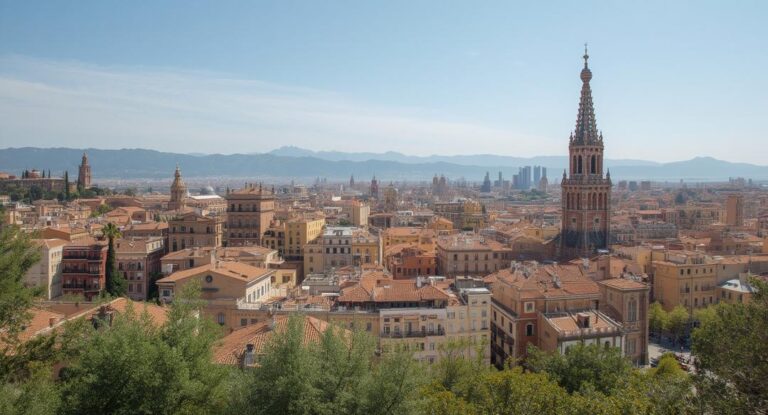
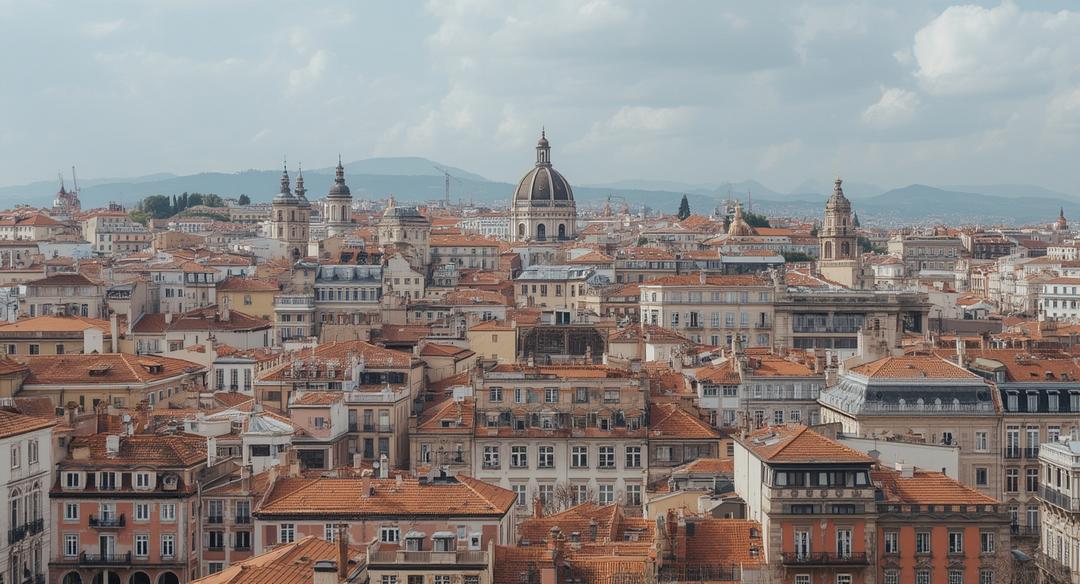
Wondering how many days in madrid you need to truly experience this vibrant Spanish capital? You’re not alone! As someone who’s visited Madrid multiple times (and fallen in love with it each time), I can confidently say that 4 days gives you the perfect balance to explore the city’s highlights without feeling rushed. Madrid is a treasure trove of history, culture, food, and nightlife that deserves more than just a quick stopover. Let me walk you through why 4 days is ideal and how to make the most of your time in this magnificent city.
Why 4 Days is the Perfect Duration for Madrid
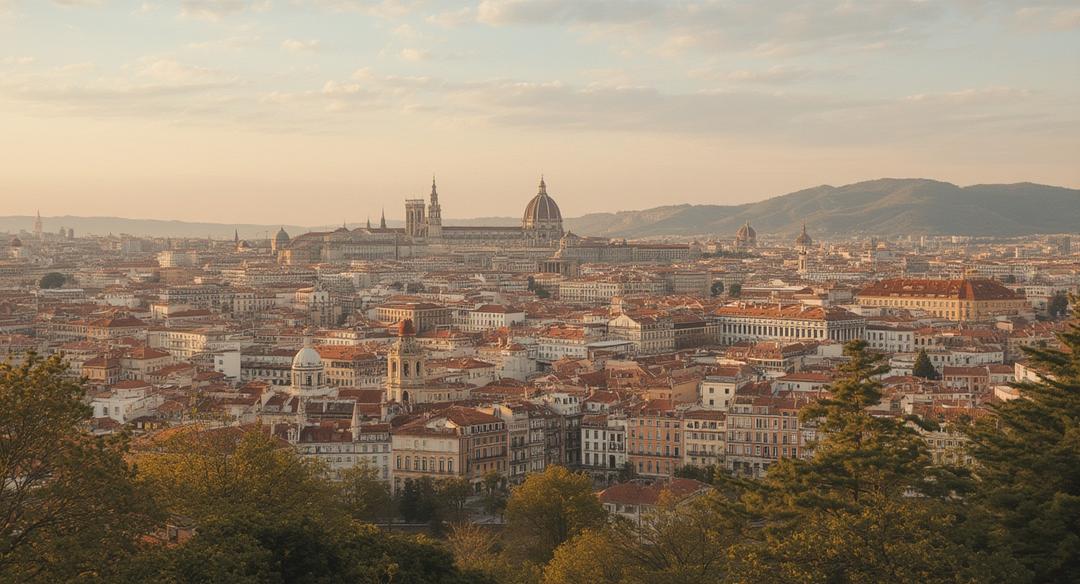
While you could technically “see” Madrid’s major attractions in 2-3 days, having that extra day makes all the difference. Madrid isn’t just about checking landmarks off your list—it’s about embracing the Spanish lifestyle, lingering over tapas, and soaking up the atmosphere of different neighborhoods. Four days allows you to:
- Visit the major museums and royal sites without museum fatigue
- Explore multiple neighborhoods beyond just the tourist center
- Enjoy the city’s parks and green spaces
- Experience Madrid’s famous nightlife (without sacrificing your daytime sightseeing)
- Take a half-day trip to a nearby town
- Have some unscheduled time to wander and discover hidden gems
Many travelers debate between 3 and 4 days, but that extra day transforms your trip from a highlights reel to a true Madrid experience. It gives you breathing room to enjoy the city’s relaxed pace and spontaneity that makes travel so magical.
Day 1: Historic Madrid and Royal Grandeur
Morning: Plaza Mayor & Surrounding Historic Center
Start your Madrid adventure at the iconic Plaza Mayor, a magnificent rectangular square surrounded by three-story buildings with 237 balconies. This historic square dates back to the 16th century and has been the setting for everything from royal ceremonies to bullfights. Grab a coffee at one of the cafés with outdoor seating and watch the city wake up.
From here, explore the surrounding historic center:
- Mercado de San Miguel (gourmet food market perfect for sampling Spanish delicacies)
- Plaza de la Villa (Madrid’s old town hall square)
- Calle Mayor (historic main street with shops and cafés)
Afternoon: Royal Palace and Cathedral
After lunch, head to the Royal Palace (Palacio Real), the official residence of the Spanish Royal Family, although now used only for state ceremonies. With over 3,000 rooms, it’s one of Europe’s largest palaces. The guided tour takes you through lavishly decorated state rooms, the Royal Armory, and beautiful gardens.
Right next to the palace is the Almudena Cathedral, Madrid’s main cathedral. Though relatively modern by European standards (completed in 1993), its neo-Gothic interior is impressive.
Evening: Sunset at Temple of Debod & Dinner in Malasaña
For a magical end to your first day, watch the sunset at the Temple of Debod, an ancient Egyptian temple that was dismantled and rebuilt in Madrid. The reflecting pools and city views make for stunning photos.
After sunset, head to the trendy Malasaña neighborhood for dinner. This area is known for its hip restaurants and bars, making it perfect for your first night out in Madrid.
Day 2: Art and Culture Day
Morning: Prado Museum
Dedicate your morning to Spain’s premier art museum, the Prado. Home to masterpieces by Velázquez, Goya, El Greco, and other Spanish masters, plus works by Titian, Rubens, and Bosch, you could spend days here. Focus on the highlights if you’re not a huge art enthusiast, or dive deeper if you are.
Pro tip: Arrive early to avoid crowds, and consider a guided tour to make sense of the vast collection.
Afternoon: Reina Sofía and Thyssen-Bornemisza Museums
Complete Madrid’s “Golden Triangle of Art” by visiting these two complementary museums:
- Reina Sofía: Spain’s national museum of 20th-century art, housing Picasso’s famous “Guernica” and works by Dalí and Miró
- Thyssen-Bornemisza: A comprehensive collection spanning from the 13th to the 20th century, filling gaps in the collections of the other two museums
If museum fatigue sets in, choose just one of these based on your interests, or take a break at a nearby café.
Evening: Literary Quarter and Tapas Crawl
Spend your evening in the Barrio de las Letras (Literary Quarter), where Spanish literary giants like Cervantes once lived. The area is now filled with restaurants, bars, and cafés with outdoor seating.
Embrace the Spanish tradition of a tapas crawl: visit multiple bars, ordering one small dish and a drink at each. Some must-try spots include Casa Alberto, La Dolores, and Taberna La Fragua.
Day 3: Parks, Markets, and Neighborhoods
Morning: Retiro Park
Start your day with a relaxing morning in Retiro Park, Madrid’s green lung. Once the private garden of the Spanish monarchy, this expansive park is now a beloved public space. Rent a rowboat on the lake, visit the Crystal Palace, or simply stroll through the beautifully manicured gardens.
Afternoon: Neighborhood Exploration
Spend your afternoon exploring some of Madrid’s most vibrant neighborhoods. Create your own madrid travel itinerary through:
- La Latina: Known for its narrow streets, traditional tapas bars, and Sunday flea market (El Rastro)
- Chueca: Madrid’s LGBTQ+ friendly district with boutique shops and trendy restaurants
- Salamanca: The upscale shopping district with elegant boulevards and high-end stores
Evening: Sunset at Círculo de Bellas Artes & Gran Vía
Head to the rooftop terrace at Círculo de Bellas Artes for spectacular views of Madrid at sunset. There’s a small entrance fee, but the panoramic views are worth it.
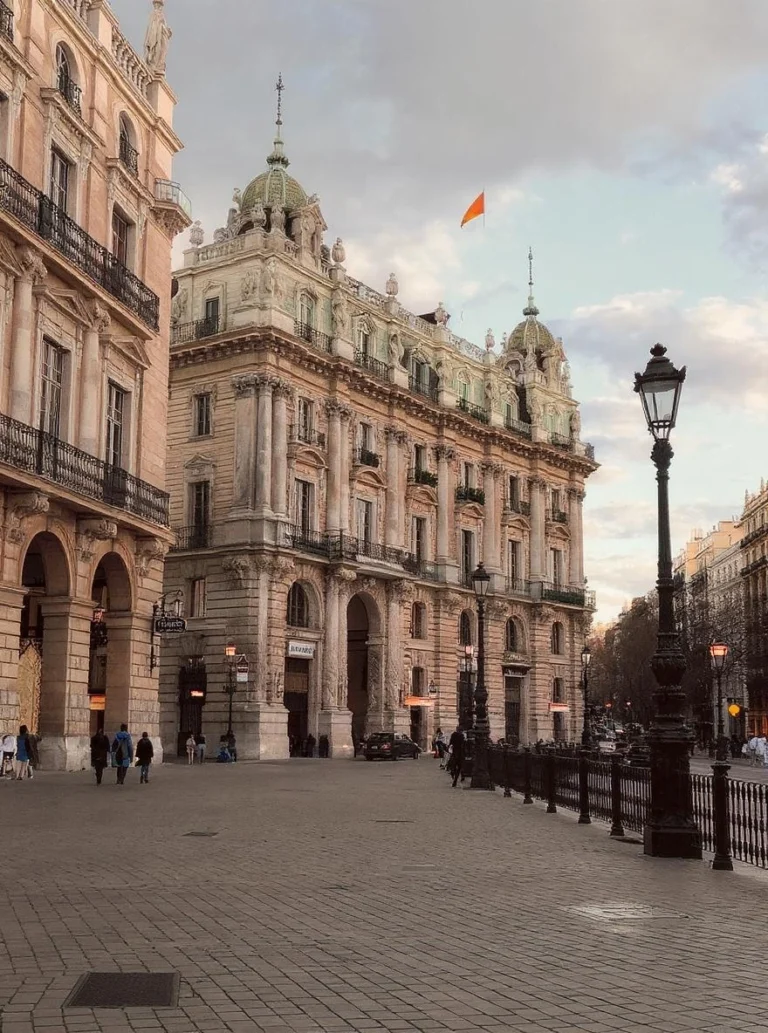
Afterward, stroll down Gran Vía, Madrid’s main shopping street often compared to Broadway in New York. The street is lined with theaters, shops, and restaurants, and is particularly beautiful when lit up at night.
Day 4: Day Trip or Deeper Dive
For your final day, you have two excellent options:
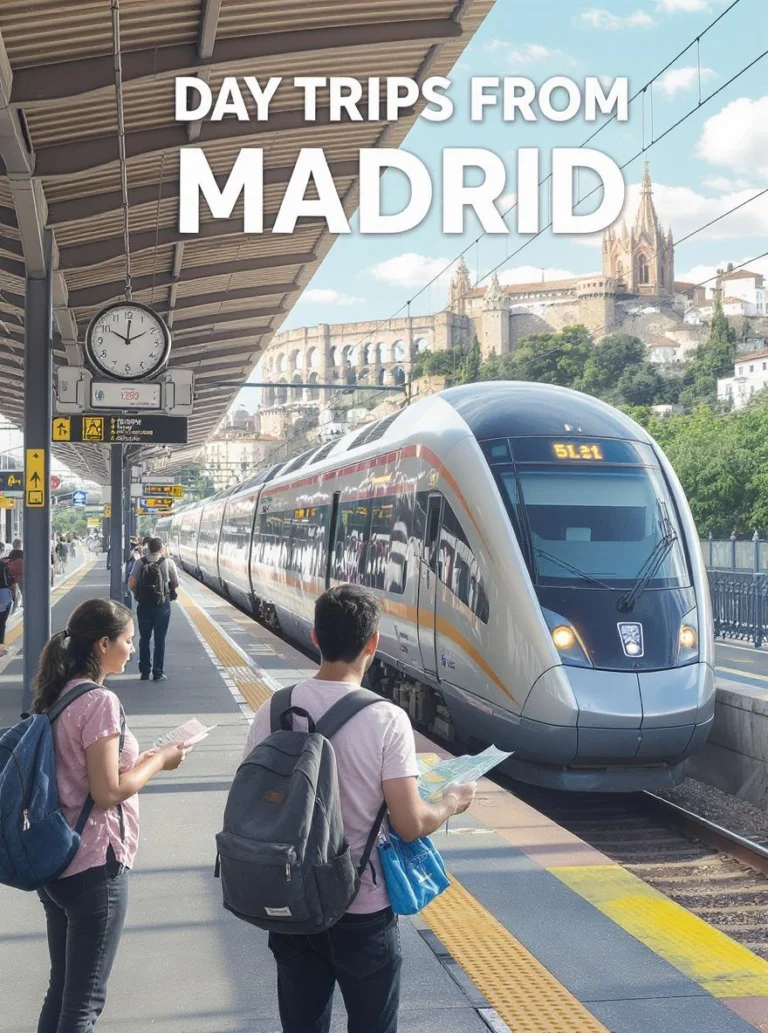
Option 1: Day Trip to Toledo, Segovia, or El Escorial
Take advantage of Madrid’s central location to visit one of these nearby historic towns:
- Toledo: A medieval city with Christian, Jewish, and Muslim influences (35 minutes by train)
- Segovia: Famous for its Roman aqueduct and fairy-tale castle (30 minutes by high-speed train)
- El Escorial: A historic royal site with a monastery, palace, and museum (45 minutes by train)
All are easily accessible and offer a different perspective on Spanish history and culture.
Option 2: Deeper Madrid Exploration
If you prefer to stay in the city, use this day to explore areas you haven’t yet seen:
- Madrid Río: A regenerated area along the Manzanares River with parks, gardens, and recreational areas
- Casa de Campo: Madrid’s largest park (five times bigger than Central Park in New York)
- Lavapiés: A multicultural neighborhood known for its ethnic restaurants and bohemian vibe
- Matadero Madrid: A former slaughterhouse converted into a vibrant cultural center
Evening: Flamenco Show and Farewell Dinner
For your last night, treat yourself to an authentic flamenco show. While some venues are tourist-oriented, places like Corral de la Morería, Casa Patas, and Cardamomo offer quality performances.
End your Madrid journey with a farewell dinner of traditional Spanish cuisine. For a truly memorable experience, book a table at Sobrino de Botín, recognized by Guinness World Records as the oldest continuously operating restaurant in the world (established in 1725).
Where to Stay in Madrid
Madrid has diverse neighborhoods that cater to different preferences:
- Sol/Gran Vía: The heart of Madrid, perfect for first-time visitors who want to be close to major attractions
- Malasaña/Chueca: Hip areas with great nightlife, restaurants, and boutique shops
- Salamanca: Upscale district with luxury accommodations and shopping
- La Latina/Lavapiés: More local feel with traditional tapas bars and cultural diversity
- Retiro: Quieter area near the park, good for families
For accommodations, Madrid offers everything from budget hostels to luxury hotels. Mid-range options like boutique hotels or apartment rentals provide good value and an authentic experience.
Tips for Making the Most of 4 Days in Madrid
Get a Madrid Card or Tourist Pass: If you plan to visit multiple museums and attractions, this can save money and time spent in ticket lines.
Embrace Spanish Meal Times: Adjust to the local schedule—lunch is typically from 2-4pm and dinner rarely starts before 9pm.
Use Public Transportation: Madrid’s metro system is excellent, clean, and efficient. A 10-trip ticket (abono) offers good value.
Take Advantage of Free Museum Hours: Many museums offer free entry during certain hours or days. The Prado, for example, is free daily for the last two hours before closing.
Learn Basic Spanish Phrases: While many people in tourist areas speak English, knowing a few Spanish phrases goes a long way.
Stay Hydrated and Pace Yourself: Madrid can get very hot in summer, so carry water and plan indoor activities during the hottest hours.
Final Thoughts
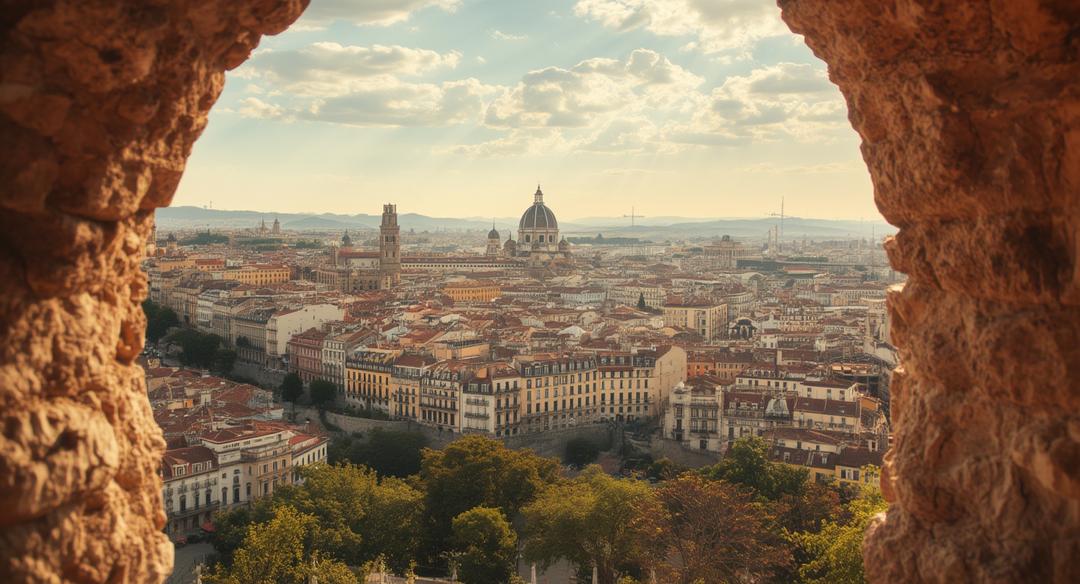
Four days in Madrid strikes the perfect balance between seeing the highlights and experiencing the city’s authentic rhythm. While you could spend weeks exploring every nook and cranny, four days allows you to hit the major attractions while still having time to wander, discover, and embrace the Spanish way of life.
Madrid isn’t just about checking sites off a list—it’s about sipping coffee in a sunlit plaza, joining locals for evening strolls (paseos), discovering your favorite tapas bar, and letting the city’s energy wash over you. With four days, you can do exactly that.
So, how many days in madrid do you need? Four is my answer—enough time to fall in love with the city, but not so long that you’ll drain your vacation days. ¡Buen viaje!