7 Best Spanish Coastal Resorts for a Perfect Getaway
Table of Contents
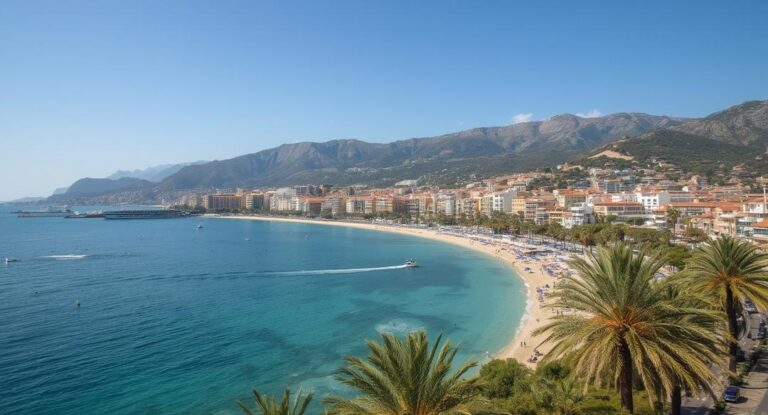
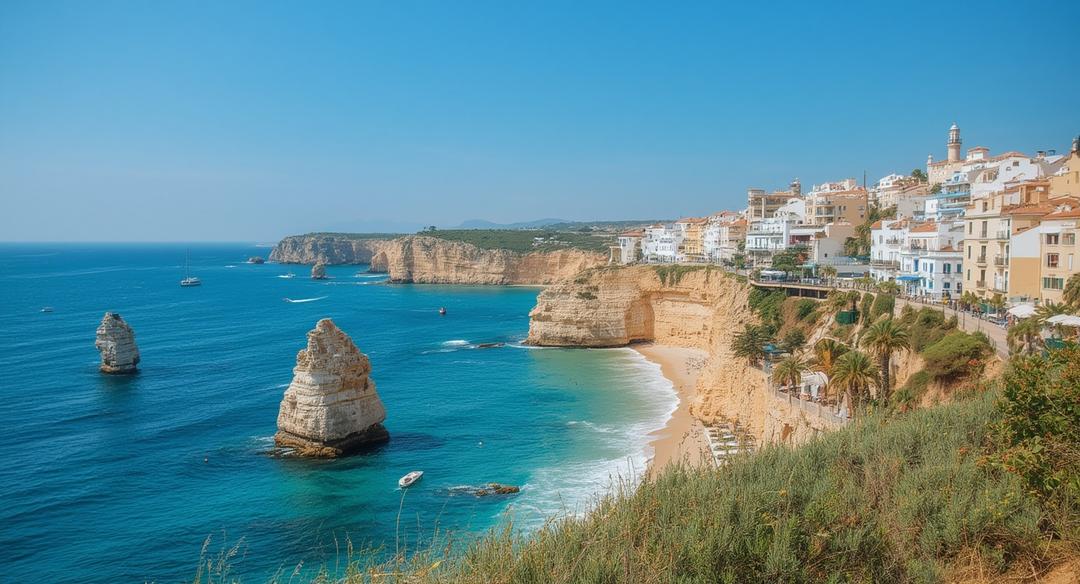
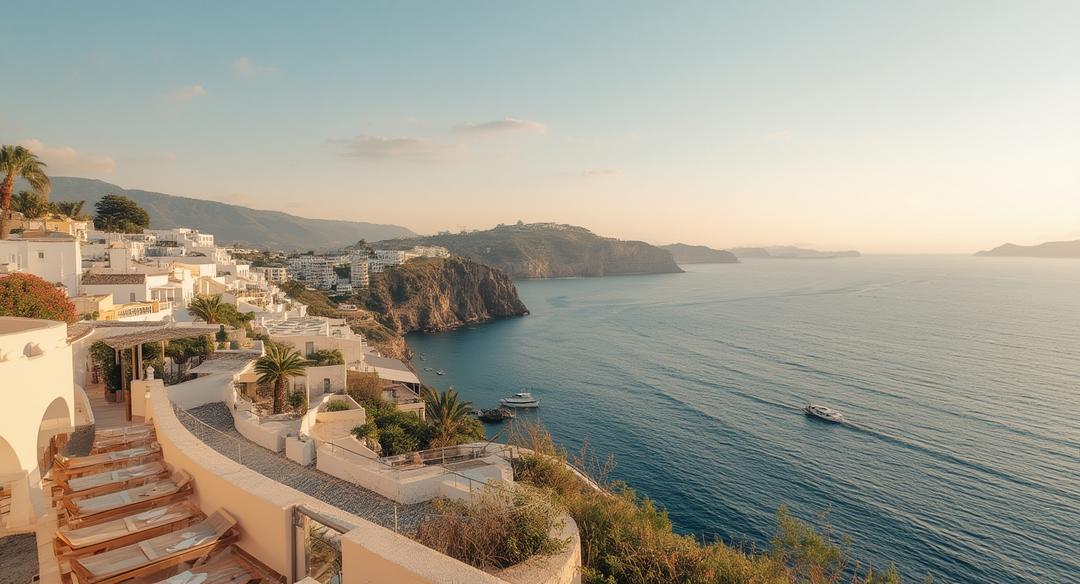
Spain’s coastline stretches for more than 3,000 miles, offering travelers an incredible array of stunning beaches, picturesque towns, and luxurious accommodations. If you’re dreaming of azure waters, golden sands, and the perfect mix of relaxation and culture, the best spanish coastal resorts are waiting to welcome you. From the sun-drenched shores of Costa del Sol to the dramatic cliffs of the northern coast, Spain offers something for every type of beach enthusiast.
In this comprehensive guide, I’ll take you on a journey through Spain’s most captivating coastal destinations, highlighting what makes each one special and helping you decide which resort is perfect for your next Mediterranean escape.
Why Choose Spanish Coastal Resorts?
Before diving into our top picks, let’s talk about why Spain consistently ranks as one of Europe’s premier beach destinations:
Year-round sunshine: With over 300 sunny days per year in many coastal regions, Spain is perfect for beach holidays almost any time.
Diverse landscapes: From the wild Atlantic shores to the calm Mediterranean bays, Spain’s coastline varies dramatically from region to region.
World-class cuisine: Fresh seafood, traditional paella, tapas, and local wines make dining in Spanish beach towns an unforgettable experience.
Rich culture: Even in resort areas, you’re never far from historic sites, museums, and authentic Spanish traditions.
Excellent infrastructure: Modern resorts with top-notch amenities make staying comfortable while enjoying the beach lifestyle.
Now, let’s explore the seven top spanish beachfront resorts that showcase the very best of Spain’s coastal charm.
Top 7 Spanish Coastal Resorts
1. Marbella (Costa del Sol)
Marbella has long been the jewel of Costa del Sol, famous for its glamorous atmosphere and beautiful beaches. This upscale resort town offers:
- Pristine beaches: The Golden Mile features some of Spain’s most immaculate stretches of sand
- Luxury shopping: Designer boutiques line Puerto Banús marina
- Historic charm: The cobblestone streets of Marbella’s Old Town (Casco Antiguo) provide a contrast to the modern resort areas
- Excellent golf: With over 20 courses nearby, it’s a golfer’s paradise
- Celebrity spotting: Known as a playground for the rich and famous
Marbella perfectly balances sophisticated luxury with authentic Spanish charm, making it ideal for travelers who want the best of both worlds.
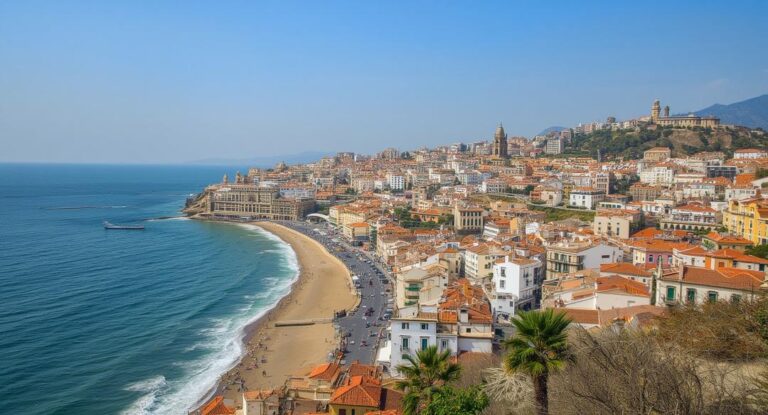
2. San Sebastián (Bay of Biscay)
Located in Spain’s Basque Country along the Bay of Biscay, San Sebastián offers a different take on the Spanish beach experience:
- Culinary excellence: Home to numerous Michelin-starred restaurants and famous for pintxos (Basque tapas)
- La Concha Beach: Often cited as one of Europe’s most beautiful urban beaches
- Cultural festivals: Hosts the prestigious San Sebastián International Film Festival
- Elegant architecture: Belle Époque buildings line the promenades
- Outdoor activities: Great surfing, hiking, and water sports opportunities
San Sebastián is perfect for foodies and travelers seeking a more sophisticated beach vacation with a distinctive cultural flavor.
3. Sitges (Costa Barcelona)
Just 35 kilometers from Barcelona, Sitges offers a bohemian vibe and welcoming atmosphere:
- LGBTQ+ friendly: Known globally as an inclusive destination
- 17 beaches: From family-friendly to more secluded coves
- Artistic heritage: Home to numerous galleries and the former residence of Santiago Rusiñol
- Vibrant nightlife: Bars and clubs stay open late, especially during summer
- Annual film festival: Hosts the renowned Sitges Film Festival focusing on fantasy and horror genres
Sitges combines the convenience of being close to Barcelona with its own distinct personality and beautiful beaches.
4. Ibiza (Balearic Islands)
While famous for its legendary nightlife, Ibiza offers much more as one of Spain’s premier island resorts:
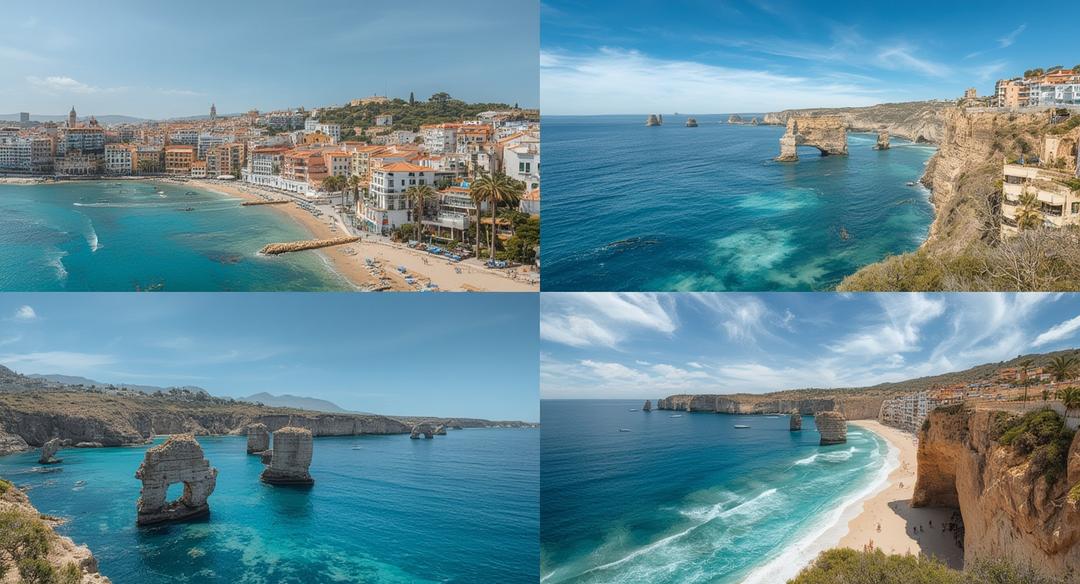
- Crystal-clear waters: Some of the Mediterranean’s most transparent turquoise seas
- World-class clubs: Home to internationally renowned venues like Pacha and Amnesia
- Hidden coves: Dozens of secluded beaches away from the crowds
- Wellness retreats: Increasingly popular for yoga and meditation centers
- UNESCO heritage: Ibiza Town’s Dalt Vila (old town) is a recognized World Heritage site
Contrary to its party-only reputation, Ibiza offers something for everyone, from families seeking quiet beaches to those looking for the ultimate nightlife experience.
5. Málaga (Costa del Sol)
Often overshadowed by nearby resort towns, Málaga itself has evolved into a sophisticated coastal destination:
- Cultural attractions: Birthplace of Picasso with excellent museums
- Urban beaches: La Malagueta beach is just steps from the city center
- Moorish architecture: The Alcazaba fortress and Gibralfaro Castle offer stunning views
- Culinary delights: Amazing seafood and the famous “espetos” (sardine skewers)
- Shopping and nightlife: Modern malls and a vibrant after-dark scene
Málaga strikes a perfect balance between beach resort and cultural destination, making it ideal for travelers who want variety in their vacation.
6. Valencia (Costa del Azahar)
Spain’s third-largest city offers beaches alongside incredible architecture and cuisine:
- Urban beaches: Las Arenas and La Malvarrosa beaches are easily accessible from the city
- Futuristic architecture: The City of Arts and Sciences complex is breathtaking
- Birthplace of paella: Try the authentic version in its homeland
- Natural parks: The Albufera lagoon offers boat trips through rice fields
- Modern amenities: High-quality resorts with excellent facilities
Valencia provides a unique coastal experience where city exploration and beach relaxation can be perfectly combined.
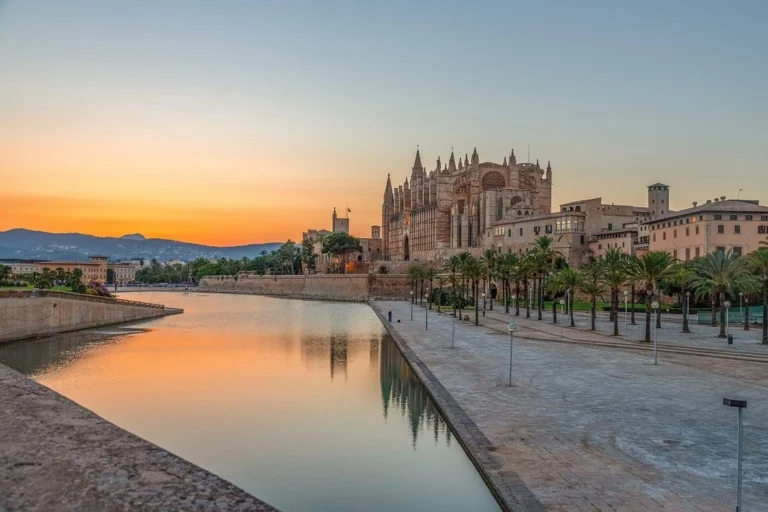
7. Palma de Mallorca (Balearic Islands)
The capital of the Balearic Islands offers a sophisticated take on island life:
- Historic sights: The dramatic Gothic cathedral overlooks the bay
- Boutique hotels: Converted historic buildings provide luxurious accommodations
- Bay of Palma: Stunning coastline with excellent beaches nearby
- Gastronomic scene: From traditional Mallorcan cuisine to innovative restaurants
- Sailing paradise: One of Europe’s premier yachting destinations
Palma provides the perfect base to explore Mallorca’s beautiful coastline while enjoying the amenities of a sophisticated small city.
Best Times to Visit Spanish Coastal Resorts
While Spain’s coastal areas enjoy relatively mild weather year-round, timing your visit can significantly impact your experience:
- Peak season (June-August): Warmest weather and busiest beaches; expect higher prices and advance bookings required for the best spanish coastal resorts
- Shoulder season (April-May, September-October): Pleasant temperatures, fewer crowds, and lower prices make this an ideal time for many travelers
- Off-season (November-March): Mild but variable weather; perfect for southern resorts like Marbella, while northern destinations like San Sebastián can be rainy
- Festival seasons: Consider timing your visit around local festivals for an enhanced cultural experience
How to Choose the Right Spanish Coastal Resort for Your Holiday
With so many fantastic options, how do you select the perfect Spanish coastal destination? Consider these factors:
- Budget: Northern resorts like San Sebastián tend to be pricier than some southern options
- Atmosphere: From family-friendly to party-oriented to sophisticated
- Activities: Water sports, golf, hiking, cultural attractions
- Accessibility: Some resorts are better connected by international flights than others
- Language: While tourism areas generally have English speakers, less international destinations may require some basic Spanish
Travel Tips for Visiting Spanish Coastal Areas
To make the most of your Spanish coastal getaway:
- Learn basic Spanish phrases: Even simple greetings go a long way
- Respect siesta time: Many businesses close in mid-afternoon, especially in smaller towns
- Try local specialties: Each coastal region has its own culinary traditions
- Book in advance: The top spanish beachfront resorts fill up quickly during peak seasons
- Explore beyond the resort: Some of Spain’s most charming experiences happen in villages just inland from the coast
- Use public transport: Many coastal areas have excellent bus and train connections
- Sun protection: The Spanish sun is stronger than you might expect, even in spring and fall
Conclusion
Spain’s coastal resorts offer an unbeatable combination of beautiful beaches, rich culture, delicious cuisine, and warm hospitality. Whether you’re seeking family fun, romantic escapes, cultural immersion, or vibrant nightlife, there’s a perfect Spanish seaside destination waiting for you.
From the glamorous shores of Marbella to the cultural richness of San Sebastián, each of these seven destinations represents a unique facet of Spain’s coastal allure. By choosing the right resort for your preferences and following our travel tips, you’re sure to create unforgettable Mediterranean memories.
FAQ Section
Q: When is the best time to visit Spanish beaches?
A: For optimal beach weather with fewer crowds, consider May-June or September-October. July and August offer the warmest temperatures but come with larger crowds and higher prices.
Q: Are Spanish coastal resorts family-friendly?
A: Many Spanish resorts cater wonderfully to families, particularly in areas like Costa Dorada and parts of Costa del Sol. Look for resorts with kids’ clubs, shallow beaches, and family-oriented activities.
Q: What’s the difference between Spain’s Mediterranean and Atlantic coasts?
A: Mediterranean beaches typically have calmer, warmer waters and more developed tourist infrastructure. Atlantic beaches often feature more dramatic scenery, cooler waters, and excellent surfing conditions.
Q: Do I need to rent a car when staying at Spanish coastal resorts?
A: It depends on the resort. Major destinations like Marbella and Ibiza have good public transport, but a car gives you the freedom to explore hidden beaches and inland villages. Some resorts are compact enough to navigate on foot or by local bus.
Q: What should I pack for a Spanish beach vacation?
A: Besides beach essentials, bring comfortable walking shoes for exploring, a light jacket for evenings (especially outside of summer), and modest clothing for visiting churches and other religious sites.